
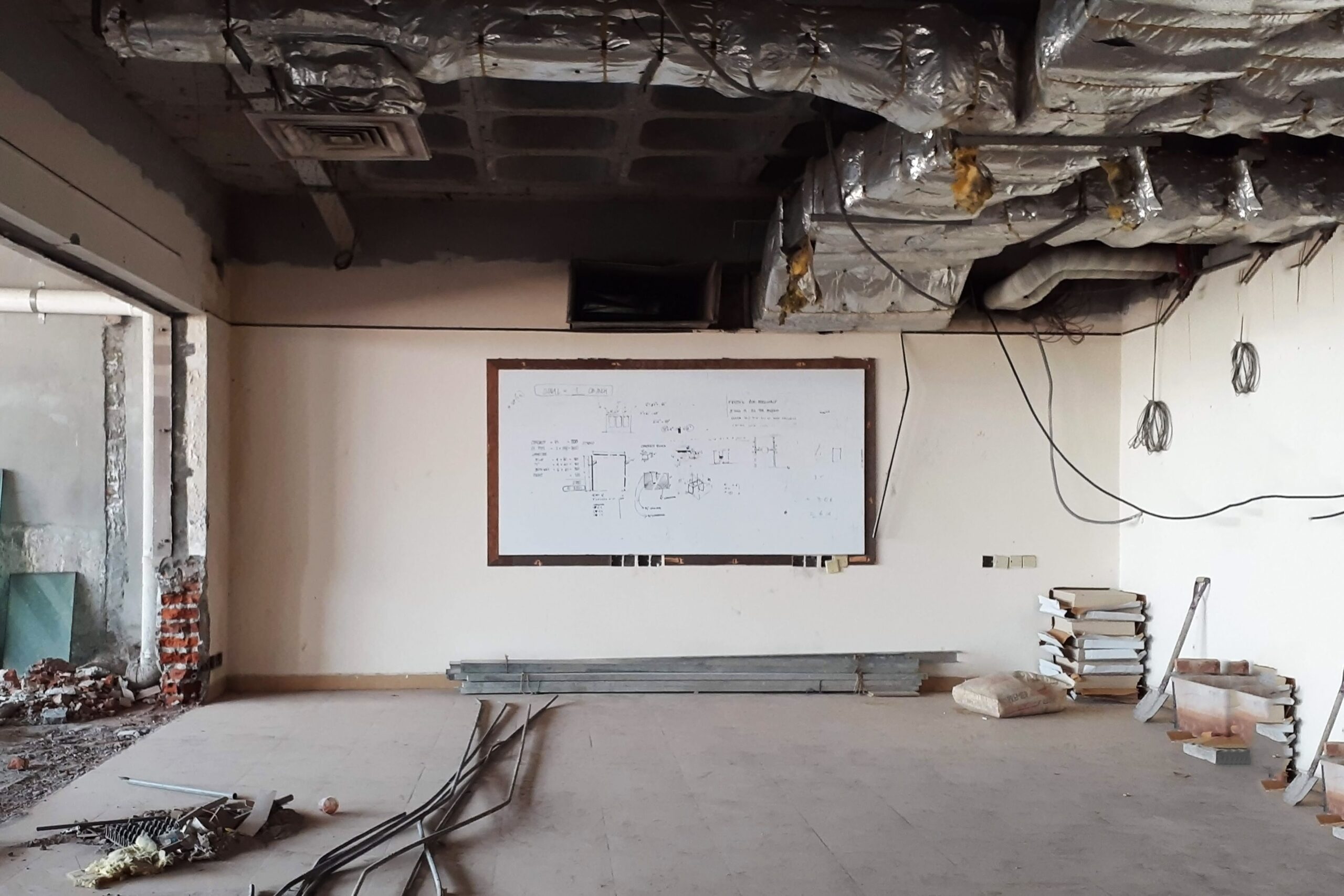
Construction and maintenance projects are a normal part of operating a school district. Roof replacements, HVAC upgrades, classroom renovations, technology installations, parking lot improvements, and emergency repairs all require people, equipment, and temporary changes to the building environment.
The responsibility of a director of safety and security is to ensure that these projects can proceed without creating unnecessary risks to students, staff, visitors, or contractors. A strong school security plan should account for construction activity before work begins.
When Should Schools Schedule Construction Projects?
Most school districts schedule major construction and maintenance projects during periods when fewer students are present in the building. Summer break is the most common example, but districts may also use winter break, spring break, professional development days, and long holiday weekends to complete smaller projects.
Reduced occupancy creates more flexibility for contractors and minimizes disruption to instruction. At the same time, fewer students in the building does not eliminate security concerns.
Schools may continue operating summer programs, athletic activities, camps, staff training sessions, and community events while construction is underway. As a result, construction planning should include security planning from the beginning rather than treating it as a separate issue.
Working With Contractors and Vendors
Construction projects often bring contractors, subcontractors, inspectors, delivery personnel, and vendors onto school property. While these individuals may be focused on a specific project, schools still need procedures that ensure accountability and protect students.
Michigan law already recognizes this concern. Under Sections 1230 and 1230a of the Revised School Code, schools are required to obtain criminal history and criminal records checks for certain third-party contractor employees who regularly and continuously work on school property. These checks involve both the Michigan State Police and the Federal Bureau of Investigation. Schools may not allow individuals convicted of certain listed offenses to regularly and continuously work under contract in their buildings.
That legal requirement addresses one part of the risk. Schools must also know who is entering the building each day, where those individuals are authorized to work, and who is responsible for managing access throughout the project.
To improve accountability, SHIELD recommends:
-
Requiring contractor check-in procedures
-
Using visible identification badges
-
Defining approved work areas and access permissions
-
Maintaining visitor and contractor logs
-
Assigning a district point of contact for construction personnel
-
Communicating contractor expectations before work begins
Construction crews should never operate as anonymous visitors moving throughout the building. Clear identification and access procedures help staff distinguish authorized workers from unauthorized visitors while reducing confusion for students, families, and employees.
Restricted Areas and Student Safety
Construction zones introduce hazards that students do not normally encounter during the school day. Tools, equipment, construction materials, exposed wiring, unfinished surfaces, excavation areas, and active work zones can all increase the risk of injury when students enter areas that were not intended for them.
Michigan schools have legal responsibilities to maintain safe environments for students, but state law does not prescribe exactly how districts must separate students from individual construction projects. As a result, schools must evaluate each project and determine how restricted areas will be secured before work begins.
A construction zone should never rely on students recognizing danger and avoiding it on their own. Boundaries must be obvious, physically controlled, and consistently enforced throughout the project.
To help reduce the risk of student injury, SHIELD recommends:
-
Establishing clearly defined restricted areas before construction begins
-
Using fencing, locked doors, barriers, or other physical controls to prevent entry
-
Posting highly visible warning signage around active work zones
-
Reviewing restricted areas regularly as projects progress
-
Communicating construction boundaries to staff responsible for student supervision
-
Assigning security personnel to monitor restricted areas when construction activity and student activity occur at the same time
Students are naturally curious, especially when construction activity introduces new equipment and changes to familiar spaces. A strong school security plan anticipates curiosity and prevents students from reaching hazardous areas before an incident occurs.
Temporary Entrances, Exits, and Traffic Patterns
Construction projects rarely stay confined to a single room. As work progresses, schools may need to close hallways, relocate entrances, modify drop-off areas, or redirect pedestrian traffic around active work zones.
Students and staff tend to follow familiar routines. When those routines suddenly change, confusion can develop quickly. A student may continue using a hallway that is no longer accessible. Parents may arrive at an entrance that has been temporarily closed. Visitors may attempt to enter through a contractor access point because it appears to be the nearest door.
These situations do not necessarily create security incidents, but they can make accountability much more difficult during normal operations and emergency situations.
To help maintain orderly movement throughout the building, SHIELD recommends:
-
Clearly identifying temporary entrances and exits
-
Installing visible directional signage throughout affected areas
-
Communicating route changes to staff and families before they take effect
-
Reviewing emergency evacuation routes affected by construction
-
Limiting contractor and delivery traffic during high-volume student movement periods
-
Assigning security guards to monitor heavily affected access points when necessary
The goal is to make the temporary route just as clear as the original route. When students, visitors, and staff understand exactly where they are expected to go, schools can continue operating safely while construction remains underway.
The Role of Security Guards During Construction Projects
Even the best procedures require consistent oversight. Construction projects create a constantly changing environment where entrances, restricted areas, traffic patterns, and contractor activity may change from week to week.
While school administrators, office staff, and facilities personnel already manage numerous responsibilities, security guards can provide additional support by monitoring how those procedures function in practice.
During construction projects, trained security guards may help:
-
Monitor temporary entrances and exits
-
Observe restricted construction areas
-
Verify contractor and visitor access
-
Assist families and visitors affected by traffic changes
-
Report security concerns or procedural violations
-
Support emergency procedures affected by construction activity
Their role is not to manage the construction project itself but ot help ensure the project does not interfere with student safety, staff accountability, or normal school operations.
Construction projects may temporarily change how a school functions, but they should not reduce visibility into who is on campus, where they are allowed to be, or how the building remains secure throughout the process.
Conclusion
Construction and maintenance projects are necessary to keep school facilities safe, functional, and ready for future students. When construction activity is incorporated into a broader school security plan, districts can complete important improvements without creating unnecessary risks for students, staff, or visitors.
These considerations are only one part of a larger security strategy. SHIELD’s directors of safety and security and trained security guards support Michigan schools throughout the year, helping districts prepare for changing conditions, evolving facilities, special events, emergency situations, and daily operations.
If your district is looking for a long-term partner to strengthen its security program, contact SHIELD to learn how our team can support your students, staff, and community throughout the entire year.