
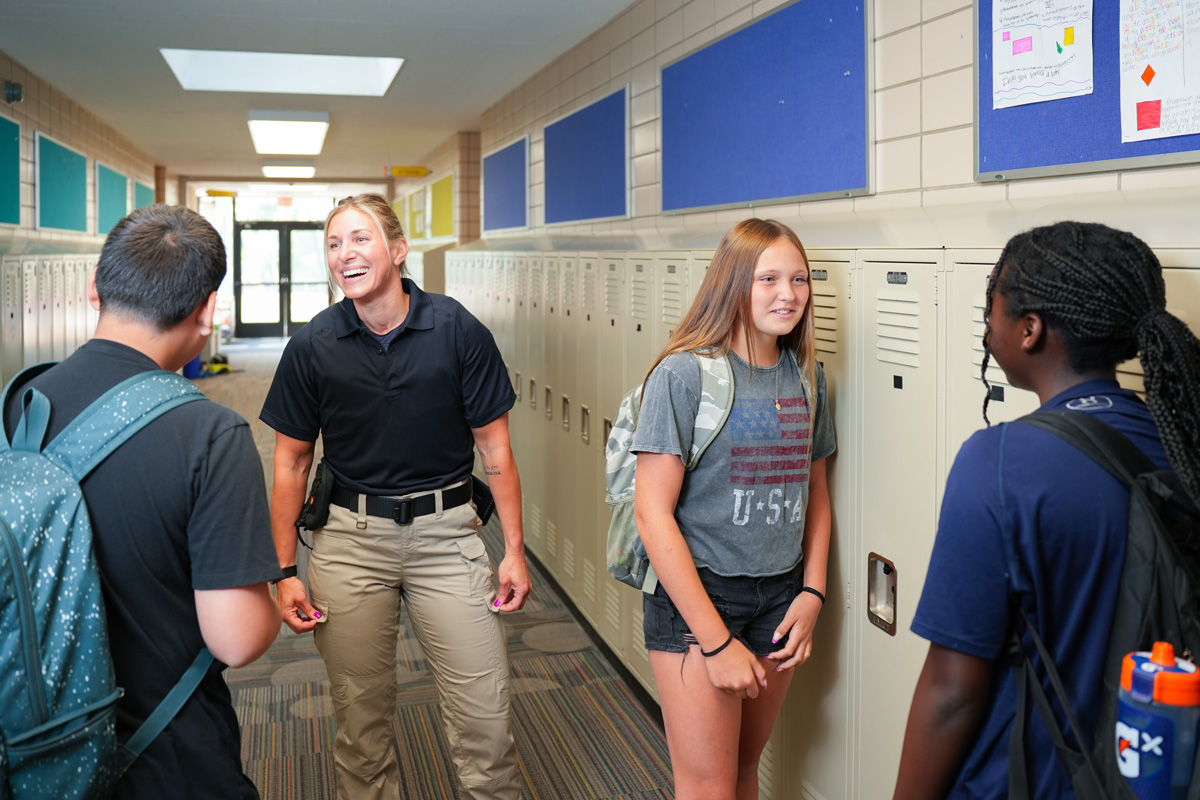
Summer school is a regular part of education in Michigan, but a building operating during the summer does not function the same way it does during the academic year. Staffing changes, construction projects, shared facilities, modified schedules, and temporary programs can all affect how a school operates from June through August.
Lower occupancy does not automatically create a safer environment. In many cases, summer introduces challenges that do not exist during the regular school year. A strong school safety management system should account for those differences before summer programs begin.
Summer School Brings Different Students Into the Building
Summer school programs often serve a different student population than the regular academic year. Depending on the district, summer programming may include:
Credit recovery students working to earn missing credits
Students receiving additional academic support in subjects such as reading or math
Students participating in Extended School Year (ESY) special education services
Students attending enrichment programs, career exploration programs, or college-preparation courses
Students transitioning into middle school or high school through summer bridge programs
In many cases, these students come from multiple schools throughout the district and may attend a building they do not normally use during the school year.
Parents may also be unfamiliar with the facility, arrival procedures, and pickup locations. Staff may interact with students they do not normally supervise. Building routines established during the academic year may no longer match how the facility operates during the summer.
Districts that do not prepare for these changes can experience confusion during arrival and dismissal periods, visitor check-ins, student pickups, and emergency situations where staff must quickly account for students they do not know personally.
Based on our experience supporting Michigan schools, SHIELD recommends simplifying summer operations as much as possible. Designating a single public entrance, clearly marking summer school classrooms, establishing dedicated pickup locations, and providing families with building maps and arrival instructions before the first day can significantly reduce confusion.
Summer Programs Often Operate With Smaller Teams
Summer staffing rarely mirrors the staffing structure used during the regular school year. Because summer programs typically serve fewer students, districts often operate with fewer teachers, support staff, office personnel, and administrators than they would during the academic year.
Even among the smaller teams working during the summer, several questions should be resolved before programs begin:
Who is responsible for visitor check-ins?
Who responds if a student leaves an assigned area?
Who communicates with parents when concerns arise?
Who initiates emergency communications if an incident occurs?
Who is responsible for accounting for students during an evacuation?
- Who serves as the primary point of contact for security concerns?
Unanswered questions can create confusion during situations where staff need to make decisions quickly.
Before summer programs begin, districts should review building access expectations, emergency procedures, reporting responsibilities, communication protocols, and supervision assignments. A Director of Safety and Security can help identify responsibilities that may have shifted during the summer and ensure those changes are clearly assigned before students arrive.
Construction Projects Change the Security Environment
Schools frequently schedule renovation and maintenance projects during the summer because fewer students are present in the building. At the same time, summer school programs, staff, visitors, and contractors may all be using the facility on the same day.
A building that follows one set of procedures during the school year may operate very differently once construction begins. Entrances can change, hallways may be temporarily closed, contractors may move throughout the building, and deliveries may arrive during student activities.
Without clear procedures, students, visitors, and contractors can easily end up in areas where they should not be.
To reduce confusion and improve accountability, SHIELD recommends:
Establishing separate entrances for contractors whenever possible
Requiring contractor identification and check-in procedures
Clearly marking construction zones and restricted areas
Providing updated building maps to summer staff and families
Reviewing temporary traffic patterns before summer programs begin
Assigning a point of contact for construction-related security concerns
These adjustments help staff maintain awareness of who belongs in the building, where individuals should be located, and how access should be managed while construction and student activities occur at the same time.
Summer Camps and Community Programs May Share the Same Property
Many Michigan schools host youth camps, recreation programs, nonprofit activities, and community events throughout the summer. While these programs provide valuable opportunities for families, they also increase the number of people entering and moving through school property.
When multiple programs operate on the same campus, schools should consider concerns such as:
Visitors entering areas assigned to a different program
Parents arriving at the wrong pickup location
Younger children wandering into areas used by older students
Staff members not knowing which students belong to their program
Confusion about who is responsible for supervising a student
Unauthorized access to summer school classrooms or offices
Delays during emergency situations when accountability is unclear
Camp participants, summer school students, and visitors sharing entrances, hallways, or common areas
These situations do not automatically create security incidents, but they can make supervision and accountability more difficult when multiple groups are using the same facility.
SHIELD recommends establishing separate entrances whenever possible, designated check-in and pickup locations, visitor management procedures, and clearly assigned supervision responsibilities for each program operating on school property.
Conclusion
Summer school may involve fewer students than the regular academic year, but the security environment can become more complex. Different student populations, modified staffing structures, construction projects, and shared facilities all require thoughtful planning before programs begin.
These considerations are only one part of a larger school safety management system. Districts face different challenges throughout the year, and each season introduces new operational and security considerations.
SHIELD’s school safety consultants, Directors of Safety and Security, and trained security guards support Michigan schools year-round, helping districts develop practical procedures that work during summer programs, the regular academic year, special events, emergency situations, and daily operations.
If your district is looking for a long-term partner to strengthen its security program, contact SHIELD to learn how our team can support your students, staff, and community throughout the entire year.