
School safety in Michigan did not evolve by accident. It is the result of decades of policy decisions, real incidents, and statewide efforts to move schools from reactive security toward prevention, coordination, and accountability.
In this blog, we explain how Michigan arrived at its current school safety model, what challenges shaped it, and why the systems used today set the state apart from others. Understanding this context helps explain why school safety roles, expectations, and partnerships look different in Michigan than in many parts of the country.
The Background: Reporting, Threats, and Lessons Learned the Hard Way
For many years, school safety in Michigan followed a familiar pattern seen across much of the country. Responsibility rested primarily at the building level. Administrators and staff relied on experience, relationships, and judgment to manage concerns across K-12 environments. Security presence, where it existed, focused on visibility and response rather than prevention.
This approach began to strain as reporting volumes increased. Concerns were raised more frequently by students, families, and community members, often through digital communication and social media. Schools were expected to interpret warning signs, assess risk, and act quickly, yet many K-12 districts lacked formal processes for doing so consistently.
What Michigan Does Differently and Why It Matters
Michigan responded by building a school safety model that emphasizes systems over individual actions. These differences affect daily school operations, the role of security personnel, and district-level accountability.
Statewide coordination through the Michigan State Police
Unlike many states, Michigan places school safety oversight within the Michigan State Police Office of School Safety. This structure provides consistent guidance, planning tools, and training expectations across districts. Schools are encouraged to implement state guidance as part of their daily operations, not treat it as optional reference material.
This statewide coordination promotes consistency and reinforces the expectation that safety planning is an ongoing operational responsibility.
A legally established reporting system
Michigan’s OK2SAY program is rooted in statute and functions as a confidential reporting system that routes tips to schools, mental health partners, and law enforcement. Because it is embedded in law, districts must treat reporting as an operational function rather than an informal process.
As a result, school personnel are expected to follow defined workflows for reviewing, documenting, and responding to information. This has increased the need for trained leadership and disciplined communication.
Formal behavioral threat assessment expectations
Michigan has moved beyond informal judgment when evaluating concerning behavior. State guidance and legal requirements expect districts to maintain behavioral threat assessment and management teams. These teams require coordination across administrative, instructional, and support roles.
This approach shifts school safety toward prevention but also increases complexity. Security personnel and administrators must understand behavioral indicators, escalation thresholds, and intervention strategies.
Funding tied to accountability and documentation
Michigan has committed significant funding to school safety and mental health initiatives. Access to these funds requires districts to demonstrate planning, compliance, and documentation. Safety leadership now intersects with governance, legal considerations, and public accountability.
This environment elevates school safety from a support function to a strategic responsibility.
Higher expectations for school-based security roles
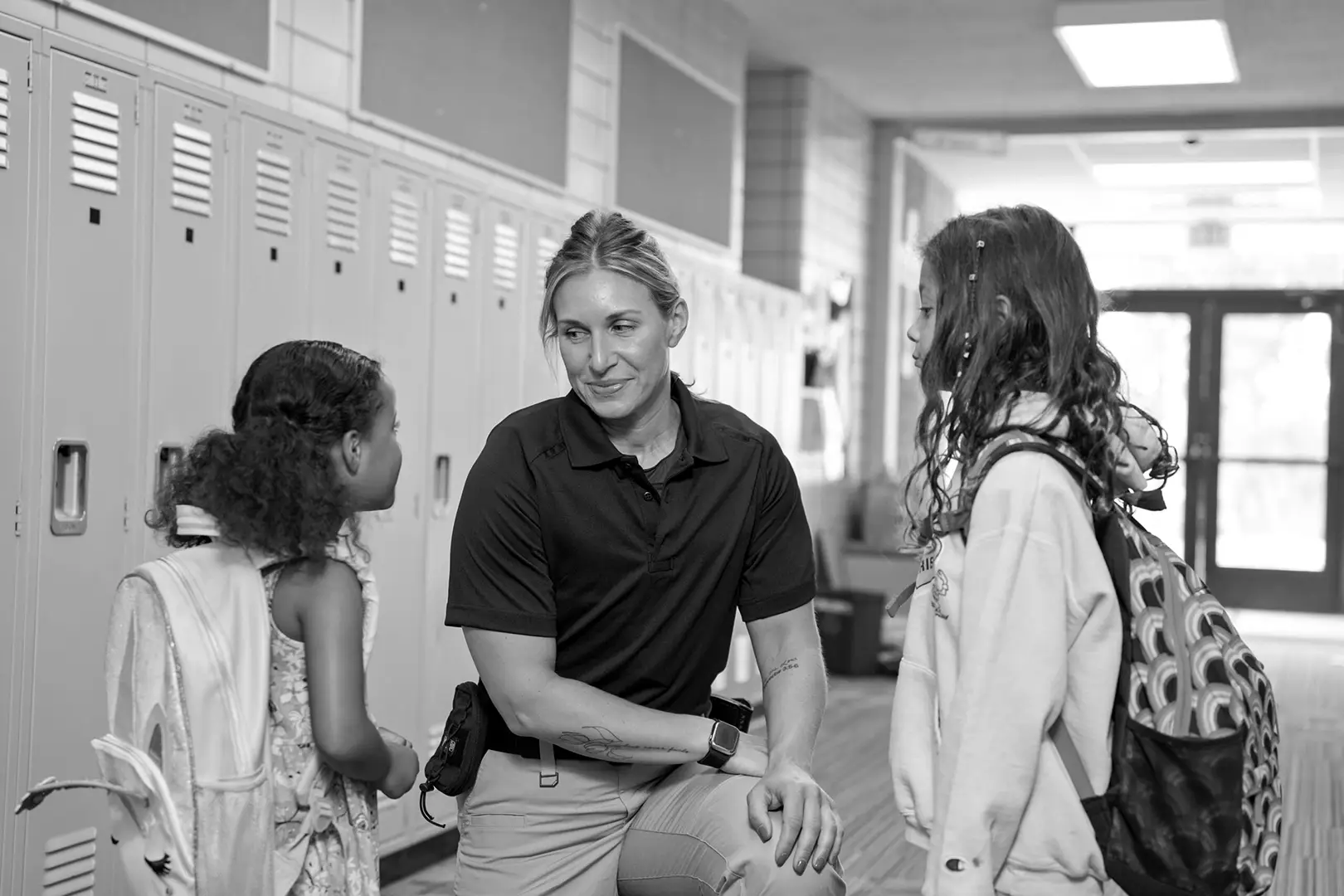
In Michigan, the role of a security officer school position is no longer limited to presence or response. Officers are expected to operate within a school safety management system, support reporting and prevention processes, and communicate effectively with administrators and authorities.
This is why, when selecting a Michigan security company, districts look beyond basic coverage and evaluate security companies in Grand Rapids, Detroit, and their own regions that bring proven school-specific experience and deep system knowledge.
Why SHIELD Fits Michigan’s School Safety Model
SHIELD is designed to operate within Michigan’s school safety framework. Our approach reflects a clear understanding of state-level coordination, reporting requirements, and the operational demands placed on districts.
As a school-focused Michigan security company, SHIELD provides experienced security guards who were trained to local specifics and safety directors who help districts develop and refine school safety plans at both the district and individual school levels. This ensures that planning aligns with state guidance while reflecting the realities of each building and community.
In regions such as West Michigan and Grand Rapids, where districts manage multiple buildings and face heightened expectations, SHIELD serves as an extension of the district team. We help translate policy into daily practice and support long-term stability in school safety operations.
Conclusion
What makes School safety in Michigan different is the structure behind it. Statewide coordination, formal reporting, behavioral threat assessment, and accountability-driven funding have reshaped how schools approach safety.
This model demands more from districts and security personnel, but it also provides a clearer path toward prevention, consistency, and trust. Michigan’s approach reflects lessons learned and systems built to prevent failure rather than respond to it after the fact.