
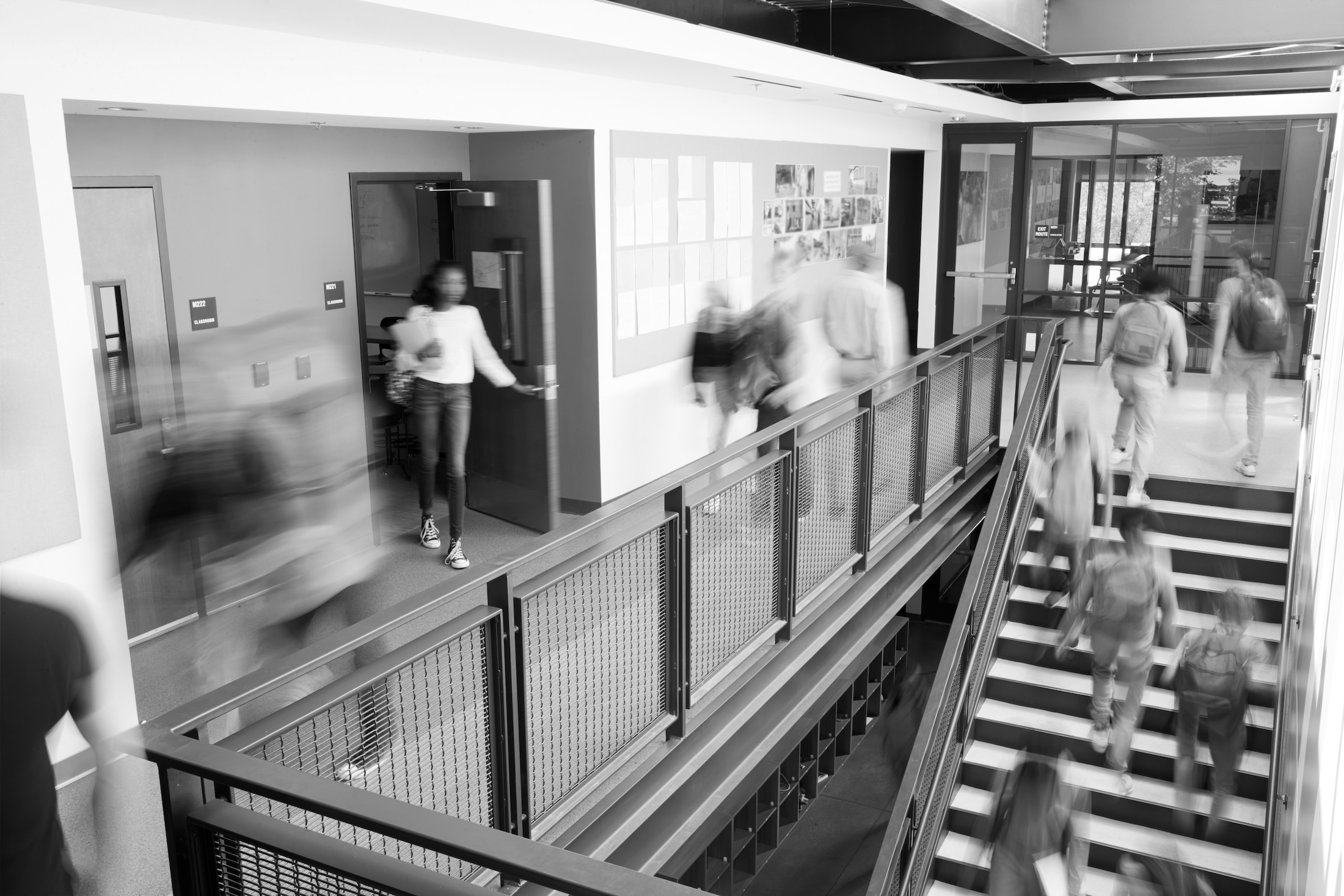
What happens inside a school when something unexpected occurs?
A lockdown, a medical emergency, or a weather alert all require an immediate response. The situation changes, but the building still needs to stay controlled.
That’s where planning meets real conditions, and where roles need to work the way they are intended.
Today, let’s discuss the role of school security personnel within an Multi-Hazards Emergency Plan, with a focus on how it applies in Michigan schools.
What Is a Multi-Hazards Emergency Plan
A Multi-Hazards Emergency Plan is a structured approach schools use to prepare for and respond to different types of emergencies using one system.
Instead of separate plans for each situation, the same framework is applied whether the school is dealing with a lockdown, a medical incident, or severe weather.
This model comes from federal guidance developed by the Federal Emergency Management Agency and the U.S. Department of Education. It aligns schools with the same response structure used by emergency services.
The plan is built around the National Incident Management System, which defines how organizations coordinate during an incident.
In practice, this means:
Roles are assigned before an incident occurs
Decision-making follows a defined chain of command
Communication moves through pre-established channels
Response actions are organized within one structure, even as conditions change
The plan defines how the response is organized, but it does not define how each role performs under real conditions.
The Specifics of a Multi-Hazards Emergency Plan in Michigan Schools
As in other states, schools in Michigan are required to maintain an Emergency Operations Plan based on the Multi-Hazards approach.
The difference is in how Michigan structures and enforces that requirement.
1) Formal review with law enforcement
Michigan law requires schools to review their Emergency Operations Plans with local law enforcement at least once every two years. This connects school procedures directly with first responders and ensures alignment before an incident occurs.
2) State-level acknowledgment of plan status
Schools are required to report to the state that their plans have been completed and reviewed. This creates accountability beyond the district level and confirms that plans are actively maintained.
3) Mandated and documented safety drills
Michigan law defines specific drill requirements, including a set number of fire drills, lockdown drills, and other safety exercises each school year. These drills must be documented, linking the written plan to actual practice.
5) Designated safety coordination roles
Michigan guidance includes the use of assigned roles such as school safety liaisons. These roles support coordination between school administration, staff, and external agencies.
These requirements make the Multi-Hazards Emergency Plan in Michigan more structured at the implementation level. The plan defines response, while the state framework ensures it is reviewed, practiced, and aligned with responders.
The Role of School Security Personnel in a Multi-Hazards Emergency Plan in Michigan
A Multi-Hazards Emergency Plan assigns responsibilities before an incident happens. In Michigan, those responsibilities are expected to align with state requirements, law enforcement coordination, and the structure used by responders.
Each role operates differently.
Role of School Security Personnel (School Guards)
Who they are:
On-site security staff assigned to control access, monitor movement, and support safety operations.
When they act:
During drills required by Michigan law
During live incidents before and during responder arrival
During transitions when movement is less controlled
What they do:
Secure or open entry points depending on the type of emergency
Control movement in hallways, entrances, and exterior access points
Maintain perimeter awareness, especially near parking and secondary access
Support communication by relaying information between administration and responders
How this is defined:
Their role is tied to control points identified in the Emergency Operations Plan and must align with responder expectations under frameworks like the National Incident Management System.
SHIELD’s professional school security guards operate within this structure, with training focused on real school conditions, defined control points, and alignment with both the Emergency Operations Plan and responder protocols.
Role of Director of Safety (or School Safety Leadership)
Who they are:
The person responsible for managing the school’s safety system and Emergency Operations Plan at the building or district level.
When they act:
During plan development and review
During coordination with law enforcement (required in Michigan at least every two years)
During drills and after-action evaluations
During incidents as part of command structure
What they do:
Define roles and assign responsibilities within the Multi-Hazards plan
Align school procedures with state guidance from the Michigan State Police Office of School Safety
Ensure drills reflect real conditions and test actual response
Coordinate with external agencies and ensure communication structure is clear
How this is defined:
Michigan requires designated safety coordination roles, including safety liaisons, which formalizes oversight of planning and implementation.
Where SHIELD fits:
SHIELD’s Directors of Safety and Security take this role further by aligning the written plan with real building operations, defining control points, and ensuring consistency across daily activity and emergency response.
Role of School Personnel (Teachers, Administration, Staff)
- During drills
- Immediately when an incident begins
- Throughout the response until conditions stabilize
- Follow assigned procedures for lockdown, evacuation, or shelter
- Manage students and maintain order inside classrooms or assigned areas
- Communicate with administration according to defined channels
- Support controlled movement when directed
Role of Volunteers and External Support
Who they are:
Parents, community members, or external partners involved during specific situations such as reunification or support operations.
When they act:
During post-incident response
During reunification processes
When coordinated by school administration
What they do:
Assist with controlled processes such as student release
Support logistical operations under direction of school leadership
Follow predefined procedures without independent decision-making
How this is defined:
Their role is limited and controlled. They do not operate independently within the Emergency Operations Plan and are only activated under supervision.
Conclusion
Each role exists within the same structure, but responsibilities are different.
The plan defines them. Execution depends on how clearly those roles are assigned, trained, and aligned.
That’s where consistency is built. Not in the document, but in how people operate under it.
For Michigan schools, this comes down to having security personnel who understand their role within the All-Hazards framework and can carry it out under real conditions.
SHIELD provides trained school security guards and Directors of Safety and Security based in Michigan, with experience working within state requirements and school environments.
If your school is looking to align its Emergency Operations Plan with real execution, contact SHIELD to build a system your team can rely on every day.