
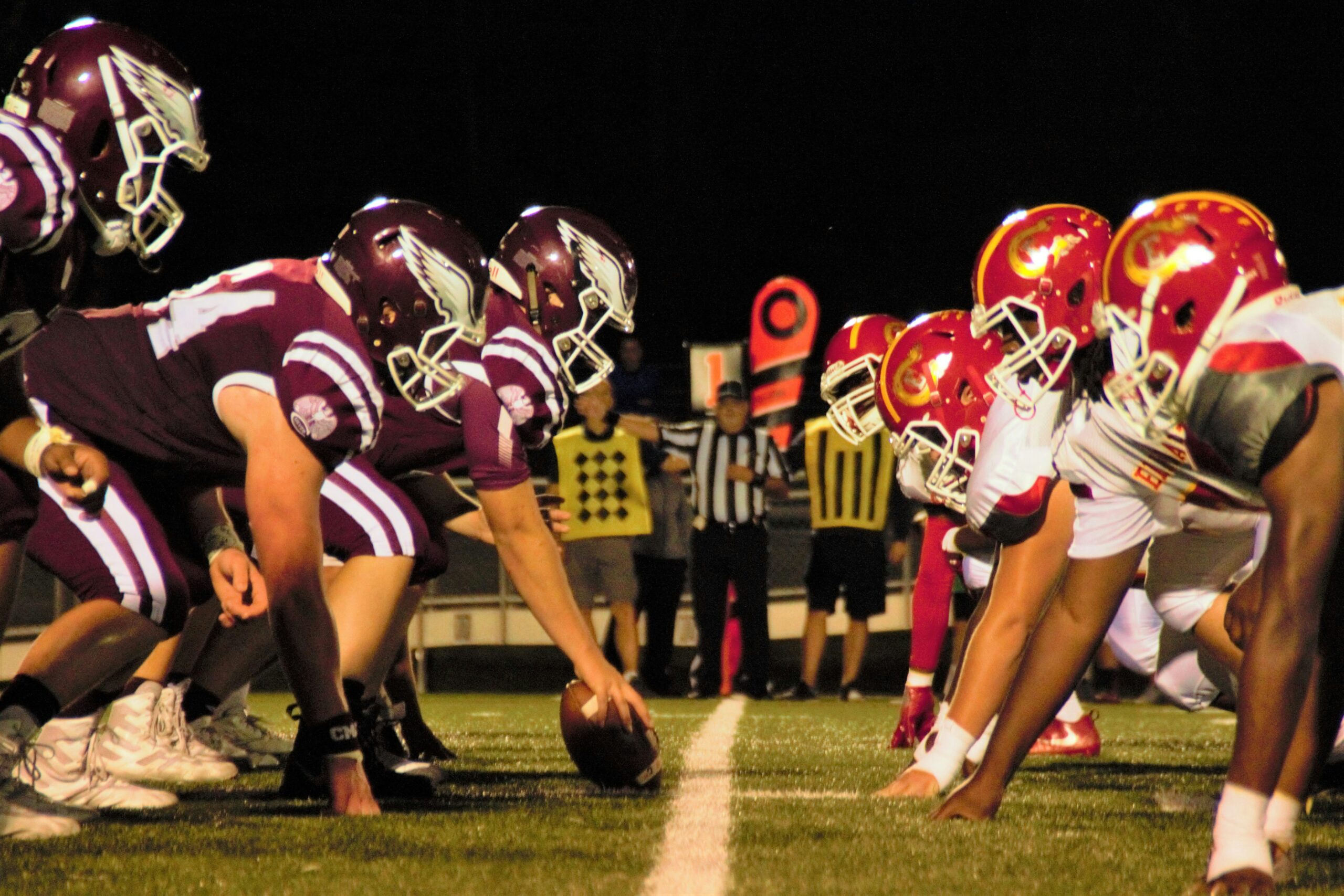
On game days, everything from crowd control to emergency response is tested. Football games, basketball tournaments, and other athletic events bring large, energetic crowds onto school grounds. For administrators and school safety consultants, these events represent one of the most complex safety challenges of the year. To truly improve safety and security in schools, preparation must go beyond locking doors and posting guards. It requires coordination between staff, security teams, and local partners – supported by a strong school safety management system and regular testing through tabletop training and critical incident response training.
What Makes Game Days Different
Game days create a very different environment from regular school operations. The crowd includes not only students and staff but families, alumni, and visitors from other districts. The perimeter expands to include parking lots, fields, concession areas, and access roads. Emotions run high, and the energy that makes school sports exciting can also make them unpredictable.
The Michigan High School Athletic Association’s Sports Event Security Plan outlines how even small oversights – such as unclear traffic flow or poorly marked exits – can lead to confusion and crowding. Similarly, the Partnership Alliance for Safer Schools (PASS) reports that many schools still operate without event-specific emergency action plans or clear role definitions for game staff. (PASS, 2024) These findings show that good intentions aren’t enough – each event needs a structured plan that anticipates crowd size, layout, and response strategy.
Security Planning Before the Crowd Arrives
A successful game day starts with a pre-event coordination meeting. The goal is to confirm every operational detail before the first fan arrives: entrances and exits, ticketing flow, parking management, and communications.
Who should be involved in pre-event coordination meeting:
- athletic department,
- district leadership,
- facilities,
- safety directors,
- custodial staff,
- local police,
- EMS,
During this meeting, school safety consultants can help outline contingency plans for various incidents – ranging from medical emergencies to weather delays. Assigning clear responsibilities in advance prevents hesitation when a decision needs to be made quickly.
Crowd flow and access control are often weak points. Unused doors should be locked, entry points clearly marked, and home and visiting fans directed through separate routes. Parking supervision should extend beyond kickoff to include post-game dispersal, when many incidents occur. Simple actions like lighting parking lots and blocking off unused areas significantly reduce risks. (schoolsecurity.org)
Technology and Communication in Game Day Security
Modern communication systems are at the center of every effective school safety management system. On game nights, PA systems, radios, and mobile alerts must all work seamlessly together. Relying on a single method – like intercoms alone – creates unnecessary vulnerability.
The 2023 Maryland Center for School Safety study revealed that many districts experienced serious delays during drills because intercom systems failed or Wi-Fi signals didn’t reach all zones. In contrast, the 2024 Campus Safety Magazine survey found that campuses using multiple communication channels – text alerts, PA, signage, and mobile apps – saw faster and more reliable responses.
Before every event, test the system with a live message to confirm that alerts reach all devices and zones. These checks take minutes and prevent confusion later if a real incident occurs.
From Tabletop Training to Real-World
No security plan works if the people carrying it out aren’t prepared. Game day safety should always include regular tabletop training sessions – scenario-based discussions where staff talk through specific “what if” situations. For example: What if a medical emergency happens in the bleachers? Who calls EMS? Who clears the path? What if a fight breaks out at the exit gate?
Practicing these discussions helps uncover weaknesses before an event. Once plans are refined, critical incident response training brings those discussions to life, allowing staff to practice under time pressure. This is especially important for non-security personnel such as coaches, ticket takers, and custodians who may be the first to notice trouble.
Common Gaps and How to Fix Them
Even schools with strong plans tend to face recurring issues. Three come up often during safety audits:
- Understaffed Parking Lots and Post-Game Periods – Most incidents happen after the final whistle, not during the game. Designate a small post-game response team to stay in place until the crowd clears.
- Single-Point Communication Failure – If one radio channel or PA system fails, messages must still reach everyone. Redundant communication is essential.
- Untrained Temporary Staff or Volunteers – Many game workers are volunteers or seasonal hires who may not know procedures. A five-minute safety briefing before gates open can make a significant difference.
Addressing these small gaps strengthens overall readiness and reinforces confidence among students, staff, and the community.
Another Common Security Questions for a Game Day
During planning sessions, administrators often ask how to balance visibility, efficiency, and cost. The answer lies in targeted investment rather than expensive overhauls. A trained staff member who knows their role is often more effective than new hardware.
Many districts partner with local security companies in Grand Rapids such is SEC SHIELD and other Michigan communities to provide temporary coverage for large events. These professionals can assist with entrances, parking, and crowd monitoring – while operating under the direction of the school’s director of safety and security. When used strategically, this partnership helps maintain order without straining school resources.
Metal detectors or wand screenings are another frequent question. They aren’t required for every game but can be useful for high-attendance or rivalry events. The key is balance: maintaining steady crowd flow while keeping checks thorough enough to deter prohibited items.
Game Day Security Review Checklist
Summarizing the key points above, a clear review process helps schools turn good planning into consistent performance. Each event – no matter the size – should end with a verified checklist to confirm that every element of the security plan was addressed. Breaking the process into three focused stages ensures that preparation, in-game management, and post-event actions all receive equal attention:
1. Preparation
- Conduct a pre-event coordination meeting with all stakeholders.
- Review and update the event’s emergency action plan.
- Confirm crowd estimates, parking layout, and staffing coverage.
- Perform system tests for PA, radios, and mobile alerts.
- Conduct tabletop training for staff and volunteers.
- Notify local law enforcement and emergency services.
2. During the Game
- Maintain visible staff presence at entrances, stands, and parking areas.
- Keep communications open between event control, security, and administrators.
- Monitor crowd movement and respond early to potential conflicts using critical incident response training techniques.
- Keep one administrator and one safety manager designated for quick decision-making.
- Track any medical or behavioral incidents for post-game review.
3. After the Game
- Supervise crowd exit patterns and parking lot dispersal.
- Secure all gates, locker rooms, and unused hallways.
- Debrief staff immediately while details are fresh.
- Log communication issues and incidents in the school safety management system.
- Identify lessons learned to improve the next event.
How SHIELD Supports Schools
SHIELD partners with schools to make athletic events safer and better organized. Our school safety consultants work directly with administrators to design and evaluate game day procedures, focusing on clear communication, efficient staffing, and practical coordination.
We also lead tabletop training and critical incident response training sessions that prepare staff to act decisively under real conditions. These programs help teams practice communication, manage stress, and coordinate smoothly with first responders.
Among all security companies in Grand Rapids, SHIELD stands apart for its consultative approach. We don’t just place guards – we help schools strengthen leadership, streamline communication, and integrate safety planning into daily operations. Whether supporting your school safety management system or training staff before the game, our goal is to make safety part of every decision, not just an event-day requirement.