
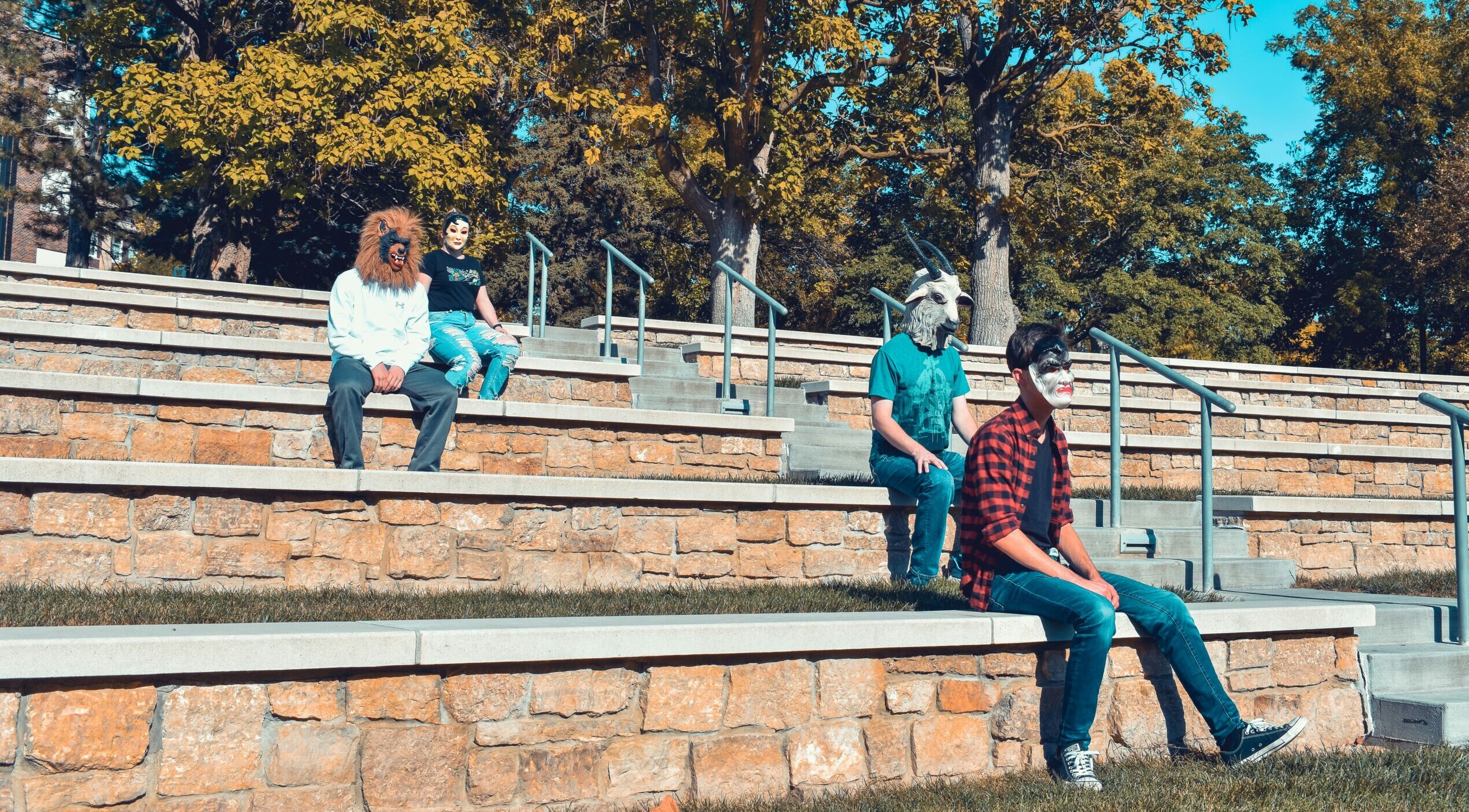
Halloween is a night for costumes, candy, and spooky fun – not for unexpected safety incidents. On school grounds, the role of security guards becomes especially important as half-masked students roam hallways, after-school events wrap late, and the normal rhythm of the day shifts. For those overseeing campus safety, a clear school security and safety plan must be in place to guarantee a safe school environment for students. In this setting, safety managers act like the lead cast in the scene: visible, alert, and ready for whatever might cue.
This year, Halloween falls on a Friday, October 31, 2025, and Michigan schools are expected to remain open for a regular school day according to most public district calendars. That means students will attend classes in costume, younger grades may have parades, and after-school events will extend well into the evening. It’s a full day of learning, celebration – and potential safety challenges.
Why Halloween Changes the Script
Halloween disrupts the usual order. Costumes may hide faces, visitors may arrive for events, and the novelty of the evening can distract both students and staff. One study observed that the day after Halloween often sees a spike in absences and behavioral incidents, showing the ripple effect of the holiday. Education Week
Meanwhile, real news reminds us the risks are real. For example, a downtown Halloween celebration in Orlando ended in a shooting that killed two and wounded seven. AP News While that incident did not occur on a school campus, it highlights how easily a costume-night can shift into a security incident.
When planning for Halloween, schools must treat the day with the same discipline they would any other high-risk activity. The top performers make sure the only thing scary is the costume, not a gap in their coverage.
Keeping the School Day Safe
A safe school environment for students starts with clarity. Teachers and parents should be reminded of costume rules – no masks covering full faces, no toy weapons, and no items that could obstruct movement.
Security guards should increase hallway visibility during passing times and lunches, when excitement peaks. Standing near entrances, cafeterias, and stairwells keeps movement orderly. A friendly, conversational tone works better than strict enforcement – students should see guards as part of the fun, not the opposition.
Even lighthearted mischief, like hiding candy or blocking doorways, should be managed early. Calm, quick redirection – core to every school security and safety plan – stops small pranks before they create safety hazards.
Common Halloween Pranks That Can Disrupt School Safety
Here’s what you should review during your tabletop training before Halloween to make sure your staff is ready for anything the day might bring. These aren’t harmless jokes – they’re the types of pranks that can quickly turn a fun Friday into a serious safety concern. Discuss each scenario, who would respond first, and how your team would communicate in the moment.
- False fire alarms – Often pulled “for fun,” they can cause panic, injuries, and strain emergency services.
- Fake social media threats – Spread fast, trigger lockdowns, and create unnecessary fear among parents.
- Costume concealment – Masks or oversized props can obscure identity or hide prohibited items.
- Tampering with doors or exits – Disabling locks or blocking exits compromises evacuation routes.
- Prank 911 calls – Waste law enforcement resources and cause real response delays.
- Smoke or fog devices – Can trigger alarms or breathing issues, especially for students with asthma.
- Blocked hallways with decorations – Delay emergency movement and increase congestion risk.
- Camera or sensor tampering – Reduces visibility for security guards and administrators.
- Parking lot stunts – Pranks involving vehicles often end with property damage or fights.
- Jump-scare pranks – Startle reactions can lead to falls, injuries, or panic responses.
Use this list to guide staff discussion during tabletop exercises – reinforcing calm responses, clear communication, and the importance of preventing small pranks from becoming real safety incidents.
After-School Events and Visitors
When the final bell rings, security work doesn’t end. Many schools host trunk-or-treats, dances, or sports games that draw large crowds and visiting families. These events extend the supervision window into the evening, often after daylight fades.
According to Campus Safety Magazine, over half of safety incidents during school events occur at entry or exit points when crowd movement peaks. To prevent that, guards should monitor entrances and parking lots, lock unused doors, and keep exterior lighting on well past dismissal.
In one Halloween dance in Ohio, students triggered a fire alarm as a prank, causing panic and minor injuries. (ABC News) That single moment shows why communication between staff and safety managers must stay clear and verified. Radios, intercoms, and mobile alerts should all be tested before the event begins.
The Role of Security Guards and Safety Managers
Whether they’re stationed by a classroom door or patrolling a football field, security guards keep Halloween enjoyable and under control. They are the steady presence amid excitement, balancing friendliness with authority.
Their responsibilities on Halloween go beyond supervision:
- Checking costumes at entry points for visibility and safety compliance.
- Helping teachers with crowd control during parades or assemblies.
- Coordinating with administrators and local police during evening events.
- Intervening early if pranks, social media rumors, or guest behavior escalate.
The right approach is proactive, not reactive. Guards blend into the atmosphere while staying alert to what others might overlook – a door left ajar, a student wandering into restricted areas, or a prank that could escalate.
At SHIELD, we help schools prepare for exactly these situations. Our trained security guards are experienced in working with students and school staff, adapting protocols from each district’s school security and safety plan. From daytime coverage to evening event management, SHIELD’s mission is to keep every celebration safe, structured, and stress-free.
Halloween Safety Tips for Michigan Schools
- Communicate costume and event rules to families early in the week.
- Increase visible guard presence in hallways and high-traffic zones.
- Test all emergency communication tools before Friday.
- Lock all side entrances during after-school events.
- Keep parking areas and pathways well-lit after dark.
- Coordinate with local law enforcement for evening crowd support.
- Have at least one safety manager stationed near each major event area.
Conclusion
Halloween should be a celebration of creativity – not confusion. By blending preparedness with a sense of fun, schools can keep the focus on costumes and candy, not crisis management.
With a strong school security and safety plan, experienced security guards, and clear communication, Michigan schools can make sure that this year, the only thing that gives anyone a fright is the costume contest winner.