
Spring exam season brings a different kind of pressure into schools. Students prepare for tests that directly affect their performance, while spring break is still ahead, which adds to the tension.
For some, this pressure does not stay only mental. It begins to show in behavior, where reactions become sharper and situations that would normally pass can escalate more quickly.
This turns into not only a student management challenge, but also a school safety and security concern.
How schools handle students before and during spring exams, and how that connects to maintaining a controlled environment, is what we discuss in this blog.
How Exam Pressure Changes Behavior in Schools
When spring exams are coming, tension does not appear all at once. It builds over days as testing approaches. Research shows that academic stress during exam periods can affect a large portion of students, with studies reporting that more than 60% of students experience increased stress levels during exams (American Psychological Association). That pressure changes how students react to everyday situations.
Students who are usually steady may become more reactive. Those already under pressure tend to respond faster to small triggers. The shift is not always visible in the classroom, but it becomes noticeable in shared spaces where interactions are less controlled.
What changes most is reaction time. A comment, a delay, or a misunderstanding can escalate more quickly than it would during a regular school week. Schools have reported that minor conflicts during exam periods are more likely to require staff intervention compared to standard days, especially in hallways and common areas.
This is why exam periods require closer attention to how students interact outside structured settings.
Where Incidents Actually Start During Exams
During exam periods, incidents rarely begin in classrooms.
They tend to appear in moments where structure is reduced or unclear. Data from school safety studies show that most student incidents occur in shared spaces rather than during instruction.
Before entry into the testing rooms
Students gather under pressure with limited supervision and focus.
Hallways during staggered movement
Groups mix at different times, creating unpredictable interaction.
After early completion of exams
Students remain in the building without structured activity.
Areas not used for testing
Lower visibility makes it harder to notice developing situations.
These are not random locations. They are points where responsibility is not clearly assigned at that moment.
Why Standard Supervision Falls Short During Exams
The issue during exams is not the number of staff present. It is how their attention is directed.
Teachers are focused on testing. Their role limits movement and keeps attention inside the classroom. This reduces visibility across the rest of the building.
At the same time, schedule changes shift where supervision is needed. Areas that require attention at one time during a regular day may need it at a different moment during exams.
Without adjustment, supervision stays tied to routine instead of actual activity.
This creates a gap between expected coverage and real conditions.
What a School Safety Management System Changes
A structured approach helps schools move from reacting to situations toward preventing them, especially during periods when student pressure is higher, and behavior becomes less predictable.
In the last weeks before exams, pay extra attention to students who show visible stress. Changes in behavior, irritability, withdrawal, or sharp reactions can signal rising pressure that may lead to conflict.
Work closely with the school therapist or counselor. Early conversations and support help reduce escalation before it reaches shared spaces.
Define a simple internal process: who notices, who reports, who takes over. This should be clear to all staff before exams begin.
At SHIELD, our teams are prepared for these situations through de-escalation training and critical incident response training, where staff learn how to recognize early behavioral signals and respond without escalation.
During exams, SHIELD experts in school safety recommend:
Assign supervision based on actual student movement, not the regular schedule
Cover hallways near testing rooms during entry and exit times
Control entry points according to adjusted arrival flow
Define a supervised location for students who finish exams early
Keep communication clear between staff responsible for different areas
Ensure response roles are assigned and understood
Maintain a visible presence in shared spaces throughout the testing period
The Role of Security Guards During Exam Periods
Security guards support the system through consistent coverage and immediate response.
Before exams, they establish a presence in key areas.
Position guards at entrances during arrival. Maintain visibility in hallways leading to testing areas. Monitor common spaces where students gather before exams begin.
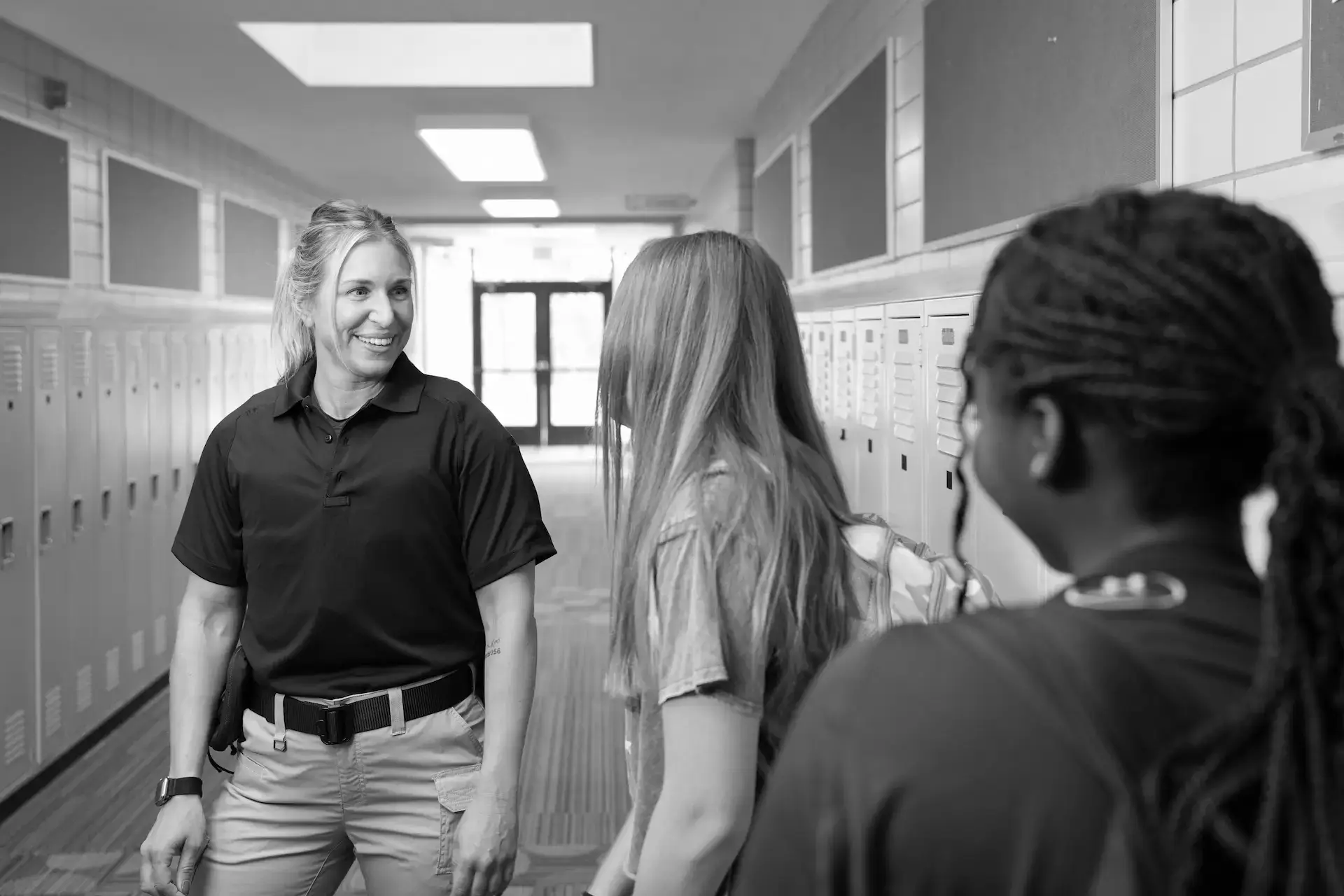
They observe behavior and step in early when needed, supporting staff and keeping movement controlled.
During exams, they maintain coverage where attention is limited.
Monitor entrances during adjusted schedules. Maintain visibility in hallways during transition periods. Oversee designated areas for students who complete exams early.
They also guide movement, making sure students follow assigned paths and do not gather in unsupervised spaces.
For response, they remain available at all times.
If a situation develops, guards act immediately. This reduces delays and prevents escalation while the staff remains focused on testing.
Because their role does not change during exams, they provide stable coverage throughout the entire period.
Conclusion
Spring exams test more than academic performance. They reveal how well a school can maintain school safety and security under pressure.
When preparation begins before exams and continues through the testing period, schools stay in control of student movement, behavior, and response. Clear roles, adjusted supervision, and trained personnel make the difference between reacting to situations and preventing them.
At the same time, exam periods often show where gaps exist in everyday operations. Schools that address these gaps build a stronger system that works not only during testing, but throughout the entire school year.
If your school is looking to strengthen its school safety and security on a long-term basis, talk to SHIELD to learn how we can support your team with structured systems, trained personnel, and ongoing safety management.