
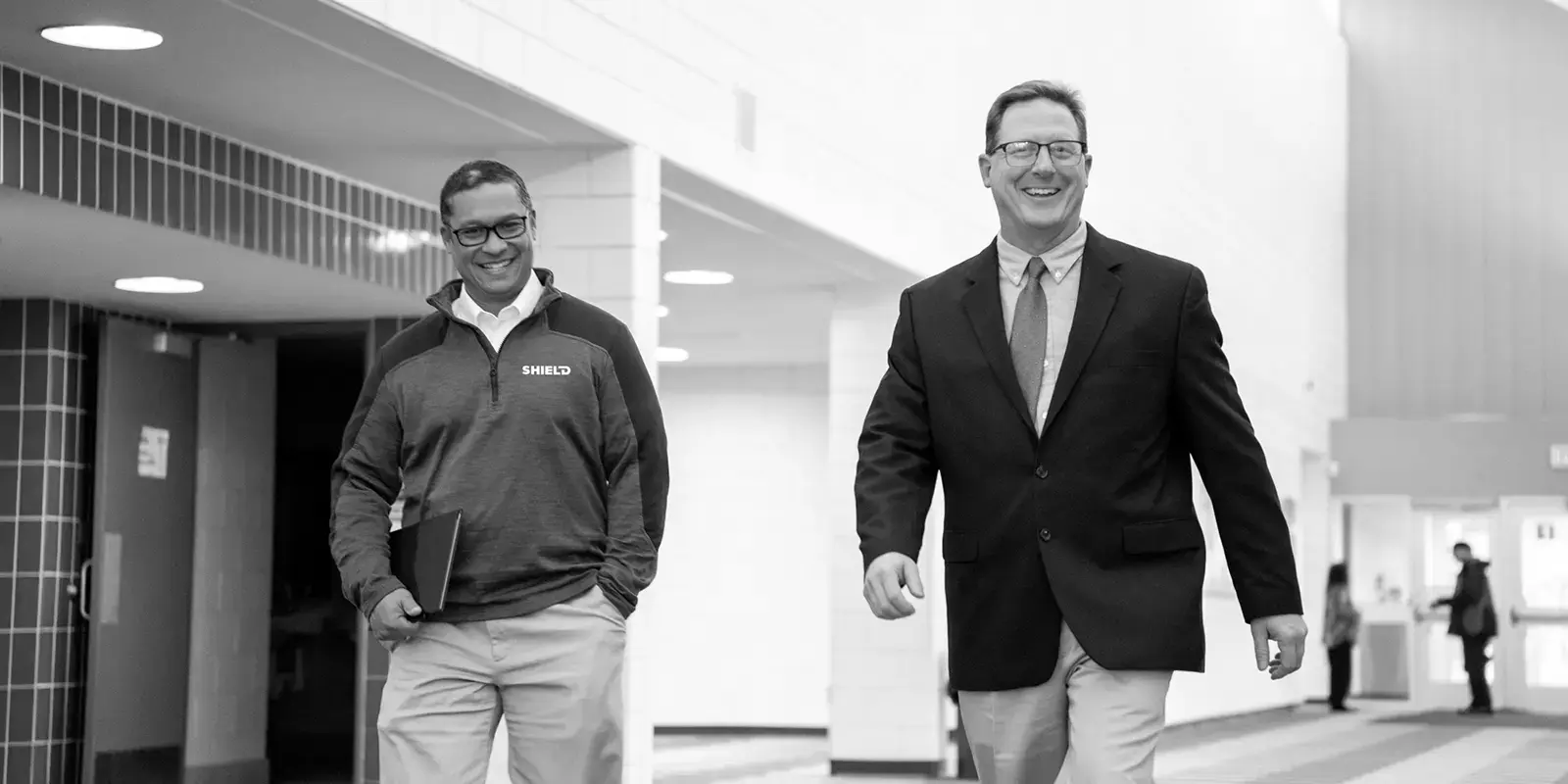
The director of security and safety plays a central role in strengthening school safety in today’s challenging environment. This leadership position goes beyond supervising staff or technology. It focuses on building systems that protect students, support staff, and maintain clear coordination with law enforcement and community partners. As threats evolve, districts with strong security leadership show more consistent safety practices and higher confidence from families and educators.
What Does a School Director of Security and Safety Actually Do?
At its core, a director of security and safety is responsible for designing, implementing, and overseeing district-wide safety operations. Unlike roles that focus on a single task, this position connects policy, people, training, and response into a coordinated structure.
Typical responsibilities include maintaining and updating safety plans, conducting risk assessments, and coordinating directly with local law enforcement and emergency responders. Directors also lead staff and student training so expectations during incidents are clear, practiced, and consistently applied across buildings.
In Michigan, districts have expanded centralized safety leadership in response to operational complexity and rising safety expectations. Birmingham Public Schools, for example, operates a district-level Safety and Security department responsible for emergency planning, law enforcement coordination, and consistent safety practices across all schools.
Similarly, Livonia Public Schools maintains a district-wide security and safety program that oversees emergency preparedness, threat response procedures, and coordination with local authorities across multiple buildings.
These decisions reflect a broader shift. Districts increasingly treat safety leadership as strategic rather than administrative, directly tied to operational readiness, coordination with authorities, and long-term community confidence.
How to Evaluate a Safety Director
Because the director of security and safety influences daily operations and crisis readiness, districts must evaluate this role using clear, measurable criteria rather than general impressions.
A structured evaluation process should include the following areas.
Leadership and Authority
- Is the director clearly embedded in the district’s leadership and emergency command structure
- Does the role have defined authority during incidents across all buildings
- Can the director lead consistently across multiple schools and departments
Coordination With Law Enforcement and Authorities
- How does the director coordinate with local police, fire departments, and emergency management
- Are joint response procedures documented and actively maintained
- Has the director participated in multi-agency planning or real incident response
Oversight of Safety Systems
- Does the director actively manage the school safety management system rather than treating it as static documentation
- Are safety plans reviewed, tested, and updated on a regular schedule
- Can the director clearly explain how planning, training, and response connect
Training and Preparedness
- What training programs are in place for staff and security personnel
- How often are drills, tabletop exercises, or scenario-based reviews conducted
- Is training adapted to real building layouts and current operational risks
Measurable Outcomes and Accountability
- Can the director demonstrate improvements in reporting accuracy, response times, or protocol compliance
- Are safety metrics tracked and reviewed with district leadership
- How are lessons from incidents or near-misses documented and applied
Communication and District Confidence
- How does the director communicate expectations to staff, families, and students
- Is safety leadership visible and accessible across the district
- Does the role contribute to a stable safety environment that supports district reputation and school ratings
Clear answers in these areas help districts determine whether safety leadership is positioned to support long-term goals and maintain a consistently safe learning environment.
Why Is a Director of Security and Safety Important to Michigan School Safety?
Michigan school safety relies on more than drills and hardware. The Michigan State Police Office of School Safety provides planning guidance, school safety toolkits, professional development, and resources designed to help schools strengthen preparedness and response. These toolkits support emergency planning, communication protocols, and structured safety practices statewide.Michigan
A qualified director of security and safety ensures these state resources are applied correctly and adapted to the unique needs of each district. This role connects state guidance with daily operations, aligning emergency plans, communication procedures, staff training, and local partnerships.
In Michigan, safety leadership is especially important because of the complex challenges schools face:
- Bullying and violent behavior remain significant issues in many large districts, with nearly 11,000 incidents of bullying and hundreds of violent crime victims reported in the 2024-25 academic year, including in the Detroit area.WDIV
- Statewide funding and compliance expectations tied to large school safety and mental health grants have introduced new legal and operational challenges for districts receiving millions in school safety dollars. District leaders must navigate these requirements carefully to access funds and remain compliant.Bridge Michigan
Large districts such as Detroit Public Schools Community District manage dozens of buildings and a police department dedicated to safety. Coordinating safety practices across such a broad system requires strategic leadership to ensure consistency, effective communication with multiple law enforcement agencies, and proactive planning rather than reactive responses.
Mid-sized districts such as Plymouth-Canton Community Schools show that strong safety leadership is equally important outside major urban centers. Their security leadership oversees surveillance systems, emergency planning, and staff coordination across multiple campuses, ensuring that daily operations and threat preparedness remain aligned with community expectations.
Districts that invest in structured safety leadership often see improved community trust and stronger school climate indicators. A visible and qualified safety director contributes to safer environments, which can positively influence district reputation, family confidence, and compliance with evolving state safety standards.
Why Districts Across Michigan Partner With SHIELD
SHIELD works with school districts across Michigan to strengthen safety leadership and ensure consistency across buildings. We support districts in hiring, evaluating, and supporting directors of security and safety, helping align this role with district operations and expectations.
We currently partner with large and complex districts such as Troy School District and Clarkston Community Schools, where safety leadership must scale across multiple schools, student populations, and daily operational challenges. In these environments, SHIELD serves as an extension of the district team, supporting planning, training, and coordination with local authorities.
Our staff is highly trained and experienced across a wide range of real-world situations, allowing us to plan effectively and support districts before issues escalate. By combining leadership support with practical, on-the-ground experience, SHIELD helps districts maintain a safe environment that meets state expectations and supports long-term stability.
Conclusion
The director of security and safety plays a critical role in modern school environments. By managing systems, coordinating with authorities, guiding training, and supporting consistent practices, this role directly influences daily safety and long-term readiness.
Michigan districts that prioritize qualified safety leadership benefit from stronger coordination, clearer communication, and safer learning environments. Investing in this role supports both operational effectiveness and community confidence, reinforcing the foundation that allows schools to focus on education and student success.