
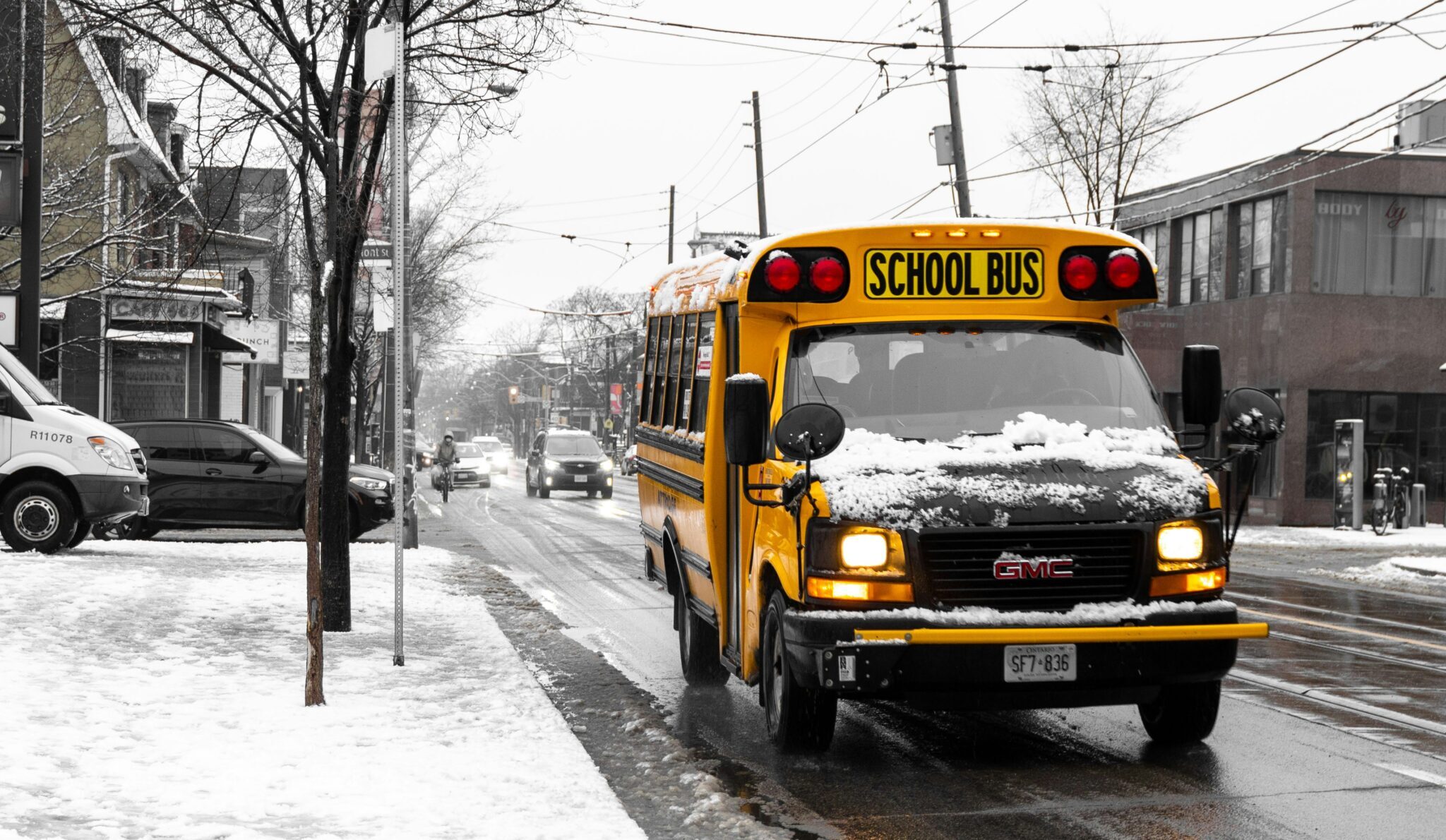
Winter break gives schools a rare pause. Buildings quiet down, routines stop, and staff step away from daily operations. When students and staff return in January, most districts focus on academics, schedules, and logistics. Safety, however, is often assumed to “pick up where it left off.”
That assumption can create risk.
January is one of the most important moments of the school year to reassess how safety plans actually function. Time away, staffing changes, and operational shifts can all affect readiness. A thoughtful review helps ensure that safety systems, personnel, and training are aligned for the months ahead.
This is not about rewriting school safety plans from scratch. It is about recalibrating existing systems so they reflect current conditions and real-world use.
What Actually Changes After Winter Break
Safety plans rarely change during a break, but school operations almost always do.
Staffing is often the first area affected. Substitute assignments, new hires, or internal role changes can alter supervision patterns and decision-making chains. A safety manager may now be coordinating with staff who are unfamiliar with procedures or whose responsibilities have shifted since the fall.
Student movement patterns also evolve. Semester-based schedules change hallway traffic and peak congestion times. New classes, adjusted lunch periods, or revised dismissal routines can increase density in certain areas of the building. Winter weather further compounds this by pushing students indoors, limiting visibility and increasing crowding during unstructured time.
Facility use frequently shifts as well. Some entrances may remain locked longer due to weather. After-school programs often move inside. Temporary access adjustments made for winter conditions can quietly become permanent without review.
Each change on its own may seem minor. Together, they can significantly affect how a response unfolds during a real incident. Identifying these shifts is essential before evaluating whether existing plans still work.
Stress-Testing the School Safety Management System
A school safety management system should support real operations, not assume ideal conditions. January is the right time to test whether that system still functions as intended under current circumstances.
Review Communication and Reporting Pathways
Start with how concerns move through the system. Staff should clearly understand when to report, who receives information, and how escalation works. This is especially important for substitutes, new staff, and reassigned personnel who may not have been part of earlier training.
Confirm that reporting expectations are consistent across buildings and shifts. Any uncertainty here can delay response and create gaps during time-sensitive situations.
Validate Response Procedures Against Current Use
Next, examine whether response procedures align with how spaces are currently used. Lockdown, hold, evacuation, and reunification plans should reflect winter routines, indoor congestion, and altered traffic patterns.
For example, procedures that worked well during fall outdoor movement may require adjustment when students are clustered indoors for longer periods. This is not about rewriting plans, but ensuring they match reality.
Check Role Clarity and Decision Authority
A safety management system depends on clear roles. January is the time to confirm who is responsible for decisions during incidents and whether those individuals are present, trained, and empowered.
This includes administrators, the safety manager, and security personnel. Any ambiguity around authority or handoffs should be addressed before it becomes an issue during an emergency.
Evaluate Technology and Access Practices
Access control, visitor management, and internal communication tools should reflect actual daily practice. If staff rely on informal workarounds or exceptions, that signals misalignment between policy and operations.
Review whether access points, monitoring practices, and reporting tools support current building use, especially during winter conditions.
Identify Adjustments, Not Overhauls
The goal of stress-testing is refinement, not reinvention. Small adjustments made in January often prevent larger failures later. Document findings, assign responsibility, and implement changes while routines are still settling.
Security Guard Services and Leadership After Winter Break
January is not only a time to review procedures, it is a time to re-establish leadership on campus. Security guard services serve as the daily anchor of school safety operations and set the tone for how procedures are followed once routines resume.
After time away, assumptions can replace clarity. Staff may interpret expectations differently or rely on habits rather than policy. The security guard on site plays a central role in resetting consistency by reinforcing protocols, confirming accountability, and maintaining a visible, steady presence from the first days back. In many schools, this role is also referred to as the safety manager, reflecting its leadership function beyond basic coverage.
This period is also critical for coordination. Security guards regularly interact with administrators, teachers, and support staff, making them a key connector across teams. Brief check-ins and clear communication help restore shared expectations without introducing new initiatives or unnecessary complexity.
Strong leadership early in the semester supports confidence and stability. When security guards understand their responsibilities and how their actions support the broader school safety management system, they move from reactive coverage to proactive presence, establishing consistency for the remainder of the school year.
Why January Is Ideal for Targeted School Security Training
Training often gets postponed during busy periods. January offers a rare window to address that gap.
Short, focused school security training sessions are especially effective after winter break. Staff are re-engaging with routines, making it easier to reinforce expectations and procedures. Training does not need to be disruptive to be meaningful.
Refresher topics may include reporting concerns, de-escalation practices, or coordination during incidents. For security personnel, this may involve site-specific reviews or scenario discussions tied to current building use.
January training works best when it is practical and aligned with real conditions. Rather than revisiting every policy, schools can focus on the areas most affected by post-break changes.
Consistent training strengthens confidence and reduces hesitation during critical moments.
Using January Reviews to Strengthen the Rest of the School Year
A well-executed January review has benefits that extend far beyond winter.
Spring brings increased activity. Testing schedules, assemblies, athletic events, and end-of-year functions all place additional demands on safety systems. Addressing misalignment early helps schools prepare for these periods without last-minute adjustments.
January reviews also support long-term consistency. When safety expectations are reinforced mid-year, staff are more likely to follow them through the spring and into the next school year.
Most importantly, proactive reviews reduce risk. Small issues identified early are easier to correct than systemic problems discovered during a crisis.
How SHIELD Supports Post-Break Safety Reviews
SHIELD, our consultants, and school safety directors work with schools to ensure safety systems remain practical, consistent, and aligned with real operations.
Post-break support may include reviewing the school safety management system, clarifying roles for safety managers and security personnel, and providing targeted school security training. The goal is not to add complexity, but to strengthen existing structures.
By focusing on coordination, readiness, and continuity, SHIELD helps schools move into the second half of the year with confidence.
Don’t Restart, Recalibrate
Returning from winter break should not mean restarting safety operations on autopilot. January is an opportunity to recalibrate systems, reinforce leadership, and ensure readiness reflects reality.
Schools that use this moment wisely reduce uncertainty, improve coordination, and create a safer environment for the months ahead. A thoughtful review now sets the foundation for a more stable, prepared, and resilient school year.