
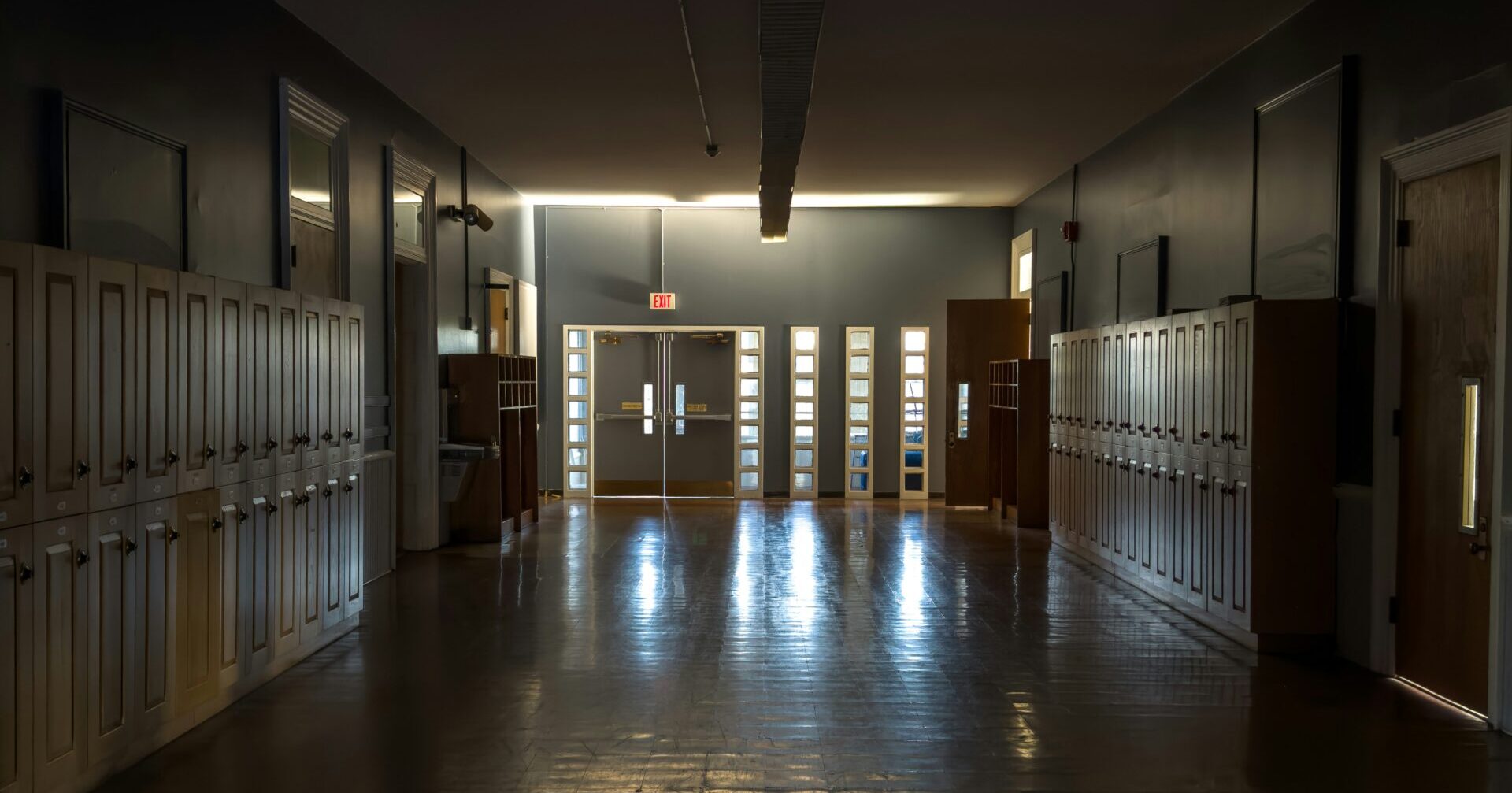
Thanksgiving week changes everything about how a school operates. Students and staff head home, schedules shorten, and some buildings close entirely. For administrators and school safety consultants, these quiet days can be just as critical as busy ones. Maintaining school safety and security when campuses are empty requires foresight, coordination, and a year-round school safety management system that doesn’t rely on full occupancy to function.
Thanksgiving Week: Specific Risks and Considerations
1. Fewer People, Higher Vulnerability
When a school empties out, it doesn’t simply “go quiet” – it becomes a different environment. Fewer vehicles in parking lots and darkened hallways can invite trespassing or vandalism. In some districts, neighboring communities use athletic fields or parking lots during breaks, further complicating oversight. A 2023 report from Campus Safety Magazine found that incidents of break-ins and property damage were 40 percent higher during extended school closures compared to active semesters.
Schools can reduce this risk by scheduling staff walkthroughs and ensuring that the director of safety and security or a designated supervisor remains on-call throughout the break. The goal isn’t to maintain full staffing, but to ensure visibility – both physical and digital. Motion-activated lighting, locked secondary entrances, and routine patrols create the impression of activity, which is often enough to deter opportunistic trespassers.
2. Holiday Maintenance and Contractor Access
Thanksgiving week is a popular time for maintenance and custodial work. Contractors may enter buildings to complete repairs or upgrades while students are gone. Without clear communication protocols, that activity can confuse alarm systems or trigger false alerts. Security professionals note that contractor oversight is one of the most overlooked parts of holiday safety.
Administrators should coordinate with the school safety management system to ensure all outside personnel are logged in advance. Badges, check-in times, and approved access zones must be recorded. If an emergency arises – such as a power outage or water leak – response teams can immediately confirm who is inside the building and where they are working. That information is crucial for both safety and liability.
3. Cybersecurity During the Break
Empty classrooms don’t mean systems are inactive. District servers, Wi-Fi networks, and digital access portals continue running through the holiday, and reduced monitoring increases the risk of intrusion. In 2023, the K12 Security Information Exchange reported a surge in phishing attempts and ransomware activity during extended school breaks, including Thanksgiving. Attackers often target understaffed IT departments and inactive user accounts.
To prevent these incidents, schools should enforce temporary access limits and run quick security scans before dismissing staff for the holiday. The director of safety and security should work with IT to ensure alerts reach on-call personnel and that remote system notifications are tested. Even a brief check of network logs during the closure can prevent major disruptions when classes resume.
4. Reopening After the Holiday
The transition back from Thanksgiving break can be chaotic. HVAC systems, alarms, and communication networks may have been offline or running in low-power mode. Staff return at different times, and transportation resumes while security routines are still stabilizing. This is when overlooked issues – unlocked side doors, disabled cameras, expired credentials – surface.
The safest districts treat reopening like a mini-drill. Before students return, administrators and custodial teams perform a joint walkthrough to confirm that all systems are functioning, alarms are reset, and emergency communication tools are active. Integrating these checks into the school safety management system makes the process repeatable for future holidays and prevents last-minute confusion.
SEC SHIELD’s Role in Holiday Safety
At SEC SHIELD, we help schools across Michigan strengthen their safety posture throughout the calendar year. Our school safety consultants assist districts in updating their systems for low-occupancy scenarios such as Thanksgiving week, winter break, or summer sessions. Through targeted audits and simulations, we identify where communication or monitoring gaps appear when staffing drops.
Thanksgiving Week Safety Checklist
- Before the Break:
- Verify that all building access logs are current and reviewed for irregular entries.
- Test alarms, cameras, and communication alerts for sensitivity and response accuracy.
- Confirm contractor and maintenance schedules, including who will be on-site each day.
- Check with IT teams to ensure cybersecurity alerts and remote monitoring systems are active.
- During the Closure:
- Maintain limited but regular patrols of interior and exterior areas.
- Confirm that the school safety management system sends daily system health or alarm reports.
- Document any work performed inside the building – repairs, deliveries, or inspections – for reference later.
- Ensure that the director of safety and security or designated on-call personnel receives all real-time alerts.
- After the Return:
- Conduct a complete walkthrough of classrooms, offices, and mechanical rooms to verify condition and access.
- Re-enable full communication settings on intercoms, radios, and alert systems.
- Review the activity logs from the school safety management system for anomalies or unauthorized access.
- Debrief custodial and security staff to capture lessons learned and update safety documentation before winter break.
Conclusion
Thanksgiving week is a time for rest, gratitude, and family – but for schools, it’s also a test of system resilience. Reduced occupancy changes the nature of risk, making proactive oversight essential. With a reliable school safety management system, an engaged director of safety and security, and support from trusted Michigan security company like SEC SHIELD, schools can safeguard their facilities and return after the break without surprises.