
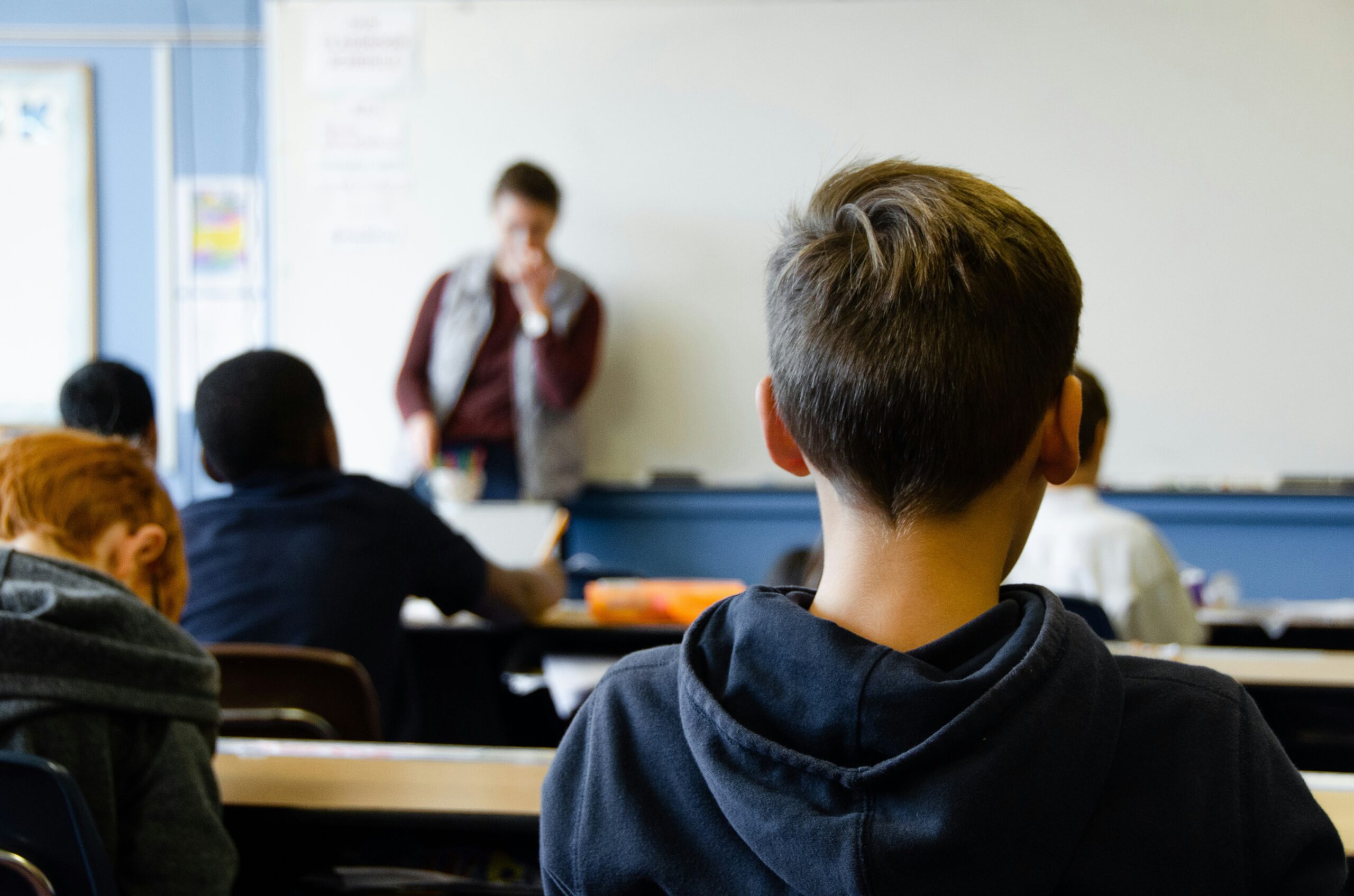
Middle school is one of the most challenging periods for student behavior, emotional development, and campus supervision. These are the years when students experience rapid changes, shifting social groups, heightened impulsivity, and increased testing of boundaries. For school leaders, this creates a unique and complex set of security concerns.
SHIELD has worked with districts across the country to improve safety systems at the middle school level. Based on that experience, there are several patterns that appear consistently. This blog outlines the most common middle school security challenges and how structured planning, professional training, and a reliable middle school safety management system can improve both safety and student support.
The Unique Security Climate of Middle Schools
Middle school students are not yet mature enough to fully regulate emotional reactions, but they also operate more independently than elementary students. This combination creates a higher frequency of behavioral and security concerns such as:
• impulsive conflicts
• emotional outbursts
• boundary testing
• early aggression
• digital misconduct that begins outside school and spills into the day
Modern middle school culture adds another layer of challenge. Students carry cellphones, engage constantly on TikTok and group chats, and create or share content that spreads instantly among peers. Online arguments, viral trends, anonymous messages, and group video exchanges often escalate emotions before students even arrive at school. This digital pressure fuels in-person conflicts, increases anxiety, and shortens reaction time for adults.
Even when incidents are minor, the volume and unpredictability require strong supervision and coordinated safety responses.
SHIELD professionals see middle schools as the most volatile years for student behavior. High schools may face more severe incidents, but middle schools face more frequent ones. This frequency demands consistent structure, trained adult oversight, and systems designed specifically for rapid emotional shifts.
Where Middle School Security Usually Breaks Down
Supervision Gaps During Transitions
Hallway transitions, lunch periods, recess, and bathroom breaks are the highest risk moments. Students move quickly, adults are spread thin, and minor conflicts escalate fast. Without a structured plan or trained staff presence, small problems turn into safety disruptions.
Limited Staff Training for Middle School Behaviors
Middle school incidents are rarely planned or malicious. They are emotional, reactive, and often unpredictable. Staff who are not trained in de escalation training or Behavioral Threat Assessment Training may unintentionally escalate a volatile situation.
Early Exposure to Digital Conflict
Social media disputes, group chats, and online bullying frequently spill into the school day. This increases the number of conflicts that start emotionally charged before students even arrive on campus.
Underdeveloped Reporting Culture
Middle school students hesitate to report concerns. They worry about social consequences, friendships, or being labeled. This makes early intervention more difficult unless schools have a clear, structured reporting system tied to a larger safety plan.
How Training Supports Safer Middle School Environments
Middle school safety improves dramatically when staff have the right skills, the right structure, and the confidence to respond quickly. Based on SHIELD’s experience, the following training programs are the most effective for middle school settings.
Critical Incident Response Training
Middle school incidents escalate fast. A moment of teasing becomes a physical confrontation, or a small classroom disruption triggers a chain reaction among peers. Critical incident response training prepares staff to handle sudden situations with a calm, coordinated approach.
This training focuses on:
• immediate classroom conflicts
• aggressive behavior between students
Staff learn how to quickly assess the situation, involve the right personnel, and move students to safety without escalating tension. For middle schools, where impulsive behavior is common, this training creates consistency and reduces the risk of situations spiraling out of control.
De-Escalation Training
Most middle school incidents begin as emotional reactions rather than planned misconduct. De escalation training teaches staff how to recognize emotional triggers and respond in ways that stabilize students instead of challenging them.
Training includes:
• communication techniques that calm emotional reactions
• redirection strategies that prevent conflict clusters from forming
Because middle school students are still developing emotional regulation skills, this training is one of the most impactful tools for reducing day to day disruptions and preventing minor conflicts from becoming safety concerns.
Behavioral Threat Assessment Training
Middle school years often reveal the first indicators of concerning behavior. Students may show early signs of withdrawal, escalating aggression, self harm talk, or increased fixation on violence. Behavioral Threat Assessment Training helps staff interpret these signals accurately and intervene early.
Key focus areas include:
• identifying early warning patterns
• deciding when and how to involve support teams
The goal is not to punish students but to connect them with the help they need. Middle school is the stage where early intervention makes the biggest long term difference in safety outcomes.
Tabletop Training
Middle school staff must operate as a unified team. Tabletop training gives administrators, teachers, and security personnel a chance to practice real world scenarios together before they happen.
Exercises often include:
• a fight breaking out during a crowded passing period
• a medical emergency requiring immediate coordination
By walking through these scenarios step by step, staff learn their roles, eliminate confusion, and build muscle memory. This is essential in middle schools, where fast moving situations demand immediate teamwork and clear communication.
SHIELD’s Perspective: Middle School Needs More Support, Not More Punishment
SHIELD’s experience shows that safer middle schools are not created through harsher discipline. They are created through predictable systems, trained adults, and supportive interventions.
Middle school students are emotionally overwhelmed, socially reactive, and learning how to navigate independence. They need adults who can stabilize the environment, not escalate emotional tension.