
Beth Clark, Director of Safety and Security, Clarkston Community Schools
As we wrap up another school year, it’s a great time to take a deep breath and appreciate all the hard work that’s been put in. But while this year is still fresh in our minds, it’s also the ideal time to reflect on the safety and security drills we conducted—and how we can improve for next year.
Let’s face it: When it comes to safety drills, it’s easy to go through the motions. Teachers, staff, and even students can become complacent, especially when they know a certain number of fire, tornado, and lockdown drills are required each year. But true preparedness means treating every drill as a real opportunity to learn and improve.
Develop an Observation Checklist for Safety Drills
One way to support this effort is by implementing a drill observation checklist for building administrators. This simple tool can ensure important details aren’t missed. The checklist might include questions such as:
- Was there congestion in the hallways?
- Could the alarm be clearly heard in all areas?
- Were students or staff uncertain about procedures?
- Were there communication or radio issues?
- Did weather conditions affect the drill?
- Did evacuation take longer than expected?
- Were doors left open?
- Were students or staff with disabilities safely evacuated?
At the end of the form, include a section to document possible solutions. For example:
- Is additional staff or student training needed?
- Is more or better equipment required?
- Does communication need to be improved?
Best Practices for Safety Drills
It’s important to communicate to all school personnel that safety drills are not “gotcha” moments. No one is being reprimanded for mistakes. In fact, identifying gaps is the whole point. Drills are for practice, problem-solving, and building confidence—just like sports teams, marching bands, or theater productions. No one expects to perform perfectly without rehearsal.
Documentation is key. If we don’t take the time now to record what worked and what didn’t, we’ll be starting from scratch again next fall. And let’s be honest—the beginning of the school year is always too hectic to try and remember what happened months earlier.
Another best practice: set expectations and communicate reminders before each drill. For example, when announcing a fire drill over the PA system, an administrator might remind staff to shut classroom doors upon evacuation. These small cues reinforce routines and help create consistency.
Advanced Safety Drill Training
Once your team has mastered the basics, it’s time to add dynamics to your drills. During a fire drill, try blocking a primary exit and observe how staff and students adapt. These real-time adjustments help build problem-solving skills and confidence.
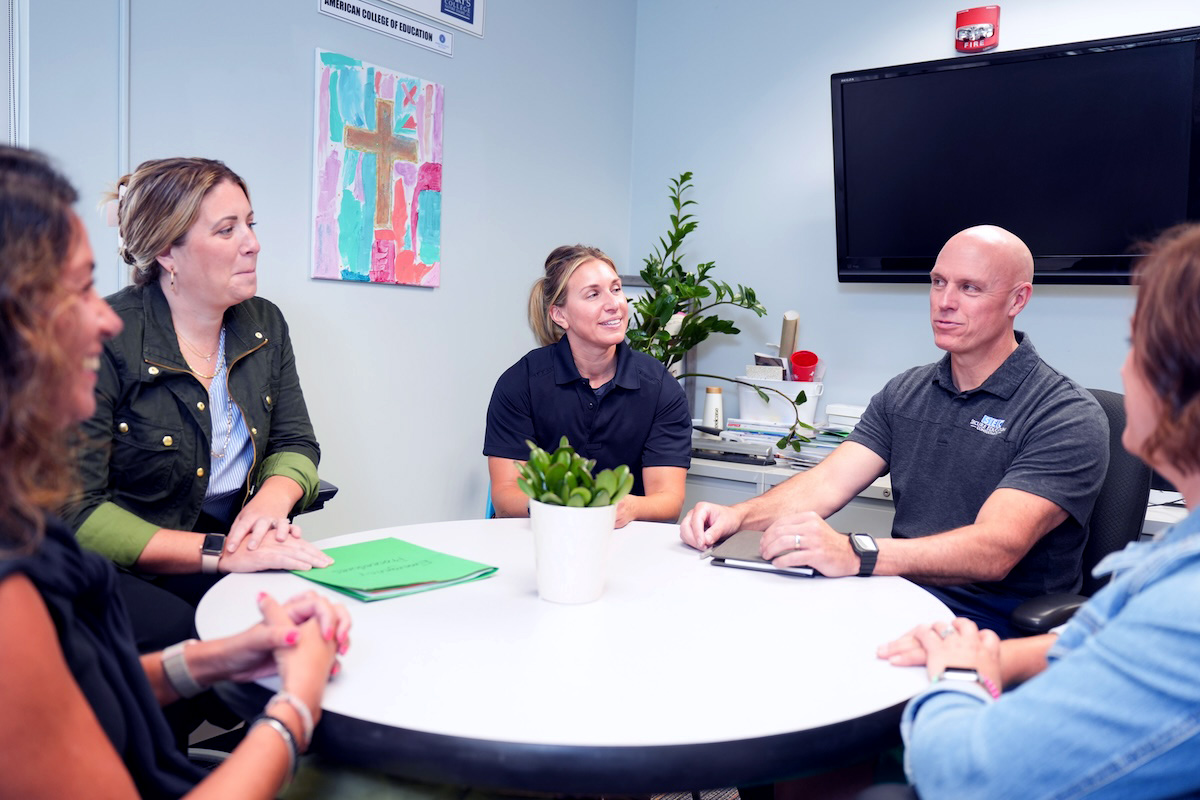
Also, consider tabletop exercises, scenario-based discussions that allow administrators to talk through responses to complex situations like a bomb threat, power outage, or severe weather emergency. These exercises promote collaboration and allow leaders to test and refine their decision-making processes in a low-pressure setting.
Let’s carry the momentum from this year forward. With reflection, communication, and continuous improvement, we can make our schools safer and more prepared for whatever challenges may come.